What Is Digital Marketing?
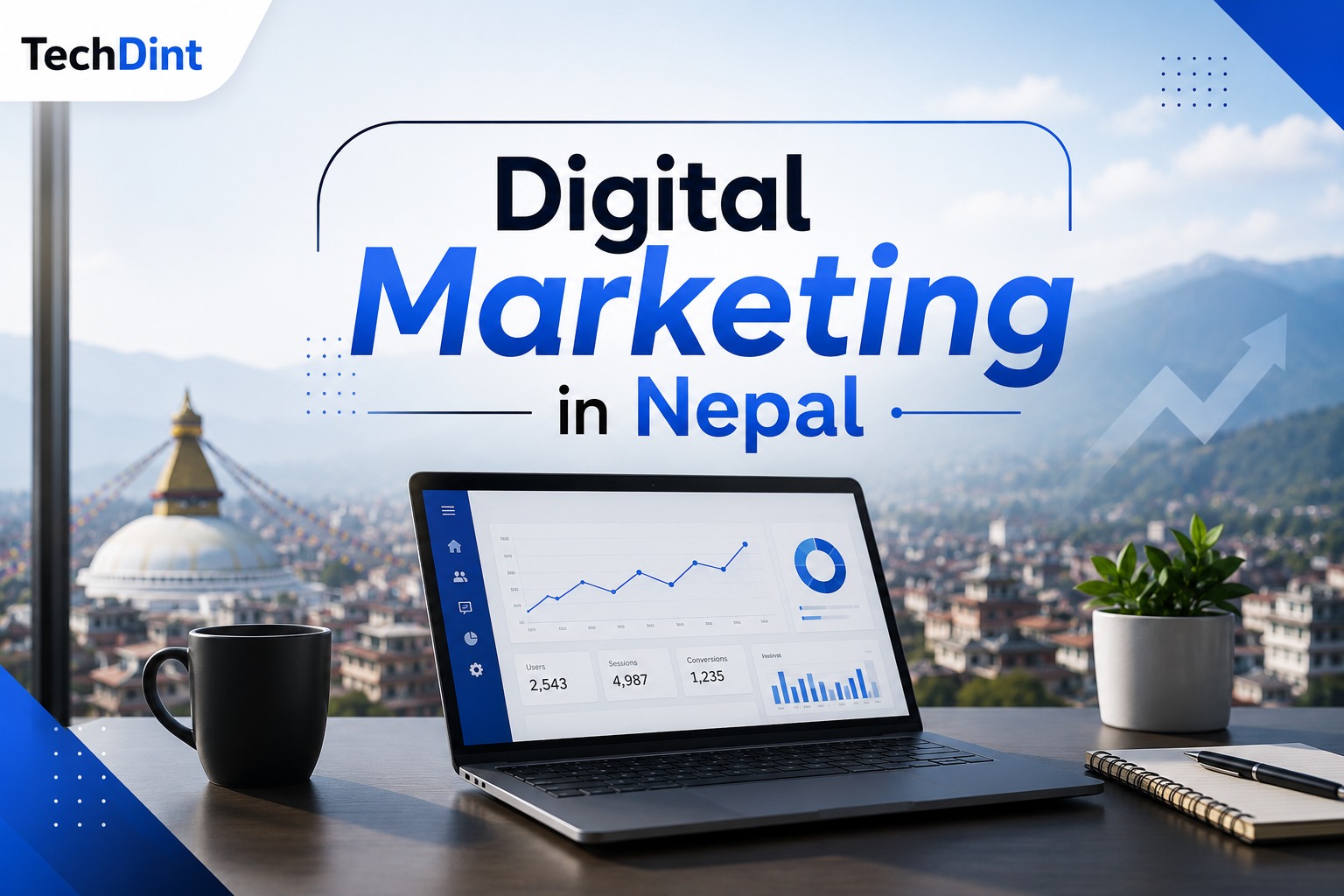
Digital marketing is the process of promoting products, services, or brands through internet-connected devices and online platforms. It helps businesses reach the right audience through search engines, social media, websites, email, content, and paid advertising.
Unlike traditional marketing, digital marketing allows businesses to target a specific audience, communicate directly with customers, and measure campaign results in real time. For example, a business in Lalitpur can run an ad only for people aged 25 to 45 who are interested in fitness equipment, beauty services, education, or travel.
Digital marketing includes several important areas:
- Organic Traffic Generation: Attracting free visitors through Google search, SEO, and valuable content.
- Paid Media Buying: Running Google Ads, Facebook Ads, Instagram Ads, and other paid campaigns with measurable results.
- Community Building: Growing trust through regular social media content, engagement, messages, and customer support.
- Content Marketing: Creating blogs, videos, reels, graphics, and educational content that help people understand a brand.
The Shift from Banners to Browsers
Walk through New Road in Kathmandu or Prithvi Chowk in Pokhara, and you can see how marketing has changed. Businesses are no longer relying only on billboards, pamphlets, newspaper ads, or word of mouth. Customers now search, scroll, compare, and message businesses through their smartphones.
With more than 16 million internet users in Nepal, people use Google, Facebook, Instagram, and TikTok to find services, check reviews, and buy products. This makes digital marketing in Nepal important for local shops, startups, consultancies, restaurants, e-commerce brands, and service businesses.
| Factor | Traditional Marketing | Digital Marketing |
| Channels | Billboards, flyers, newspapers, radio, TV | Google, social media, websites, email |
| Targeting | Broad audience | Specific audience by location, age, interests, and behaviour |
| Budget | Higher upfront cost | Flexible daily or campaign budget |
| Results | Hard to measure | Tracks clicks, leads, calls, sales, and ROI |
| Communication | One-way | Two-way through messages, comments, and reviews |
For businesses, students, and freelancers, digital marketing creates real opportunities. A strong online presence helps reach the right audience, build trust, and generate measurable enquiries and sales.
The Digital Marketing Landscape in Nepal
The digital ecosystem in Nepal is growing quickly. More people are using smartphones, internet banking, digital wallets, social media, online shopping platforms, and online service providers every year.
Recent digital data shows that Nepal has more than 16 million internet users, around 14 million social media users, and more than 30 million mobile connections. A large percentage of mobile connections are broadband-enabled, which means users can browse social media, watch videos, search Google, and make online purchases directly from their phones.
This growing digital behaviour is creating new opportunities for businesses. Customers are becoming more comfortable with online payments, delivery services, online consultations, social commerce, and digital communication.
The Rise of Digital Wallets
Digital payment platforms such as eSewa, Khalti, Fonepay, and mobile banking have made online transactions easier. Customers can now pay for food, shopping, courses, bookings, and services without needing cash.
E-Commerce Expansion
Platforms such as Daraz, local e-commerce stores, and thousands of Facebook and Instagram shops have made online shopping a regular habit for many Nepalese consumers. Small businesses can now sell products beyond their physical location and reach customers across Nepal.
Growth of Social Commerce
Social commerce is growing rapidly in Nepal. Many customers discover products through TikTok, Facebook, Instagram, and YouTube before messaging a business page directly to place an order. This is especially common for clothing, beauty products, food, accessories, electronics, training courses, and local services.
High Engagement on Short-Form Video
TikTok, Instagram Reels, and YouTube Shorts have changed how businesses build awareness. Short videos can help brands explain products, show customer reviews, demonstrate services, and connect with audiences in Nepali or local languages.
As a result, digital marketing agencies in Nepal are growing quickly. Businesses now need professionals who understand SEO, social media marketing, Google Ads, Meta Ads, content marketing, analytics, and online customer behaviour.
Why Nepalese Businesses Must Invest in Digital Marketing
If a business is not visible online, it may lose potential customers to competitors who are easier to find on Google, Facebook, Instagram, or TikTok. Digital marketing helps businesses reach people at the right time with the right message.
Some major benefits include:
- Hyper-Targeted Reach: Businesses can target people based on location, age, interests, language, behaviour, and search activity.
- Flexible Budgeting: Startups and small businesses can begin campaigns with a small daily budget and increase spending based on results.
- Measurable Results: Businesses can track website visitors, calls, messages, leads, purchases, and return on investment.
- Better Customer Communication: Customers can ask questions through Messenger, WhatsApp, Instagram, comments, and website forms.
- Long-Term Brand Growth: SEO, content, and social media help businesses build trust over time.
For example, a restaurant in Kathmandu can run Facebook and Instagram ads only for people living within a few kilometres of its location. A consultancy can run Google Ads for people searching for study abroad services. A clothing brand can use TikTok videos and Instagram Reels to attract younger customers.
Core Digital Marketing Channels Explained
Search Engine Optimization (SEO)
SEO is the process of improving a website so it can rank higher on Google for relevant keywords. When people search for a product or service, they often trust businesses that appear on the first page of search results.
SEO includes keyword research, on-page optimization, technical SEO, local SEO, content writing, internal linking, backlink building, and website performance improvements. A business that ranks on Google can attract high-intent customers without paying for every click.
Social Media Marketing (SMM)
Social media marketing focuses on building a strong brand presence on platforms such as Facebook, Instagram, TikTok, LinkedIn, and YouTube. In Nepal, social media is one of the most powerful ways to build awareness, engage customers, and generate enquiries.
A successful social media strategy includes regular content, video marketing, graphic design, audience engagement, customer replies, brand storytelling, and performance tracking. Businesses should not only post promotional content; they should also share useful, entertaining, and trust-building content.
Google Ads and Meta Ads
Google Ads and Meta Ads help businesses get faster visibility. Google Ads target users when they are actively searching for a product or service. Meta Ads, including Facebook and Instagram Ads, show visual advertisements to people based on their interests, location, behaviour, and demographics.
Google Ads are useful for services with high search demand, such as education consultancies, dental clinics, hotels, repair services, and real estate. Meta Ads are useful for visual products, local promotions, events, restaurants, fashion brands, and awareness campaigns.
Content Marketing
Content marketing is the process of creating valuable content that educates, informs, entertains, or solves customer problems. It includes blog articles, videos, reels, infographics, social media posts, guides, case studies, and email newsletters.
Good content builds trust. When customers repeatedly find helpful information from a brand, they are more likely to remember and choose that business when they are ready to buy.
Digital marketing becomes more practical when you apply these channels through real projects. Learning how SEO, social media, paid advertising, content creation, and analytics work together can help you make better business and career decisions.
If you want structured, practical training instead of learning from scattered tutorials, explore TechDint’s Digital Marketing Course in Nepal. The course can help you build skills through guided projects, campaign practice, and hands-on learning.
Digital Marketing Career Scope and Salary in Nepal
The demand for skilled digital marketers is increasing in Nepal. Companies, agencies, e-commerce businesses, consultancies, startups, and international clients need professionals who can manage online visibility, advertising, content, and lead generation.
| Job Role | Experience Level | Average Monthly Salary in Nepal |
| Digital Marketing Intern | 0–6 months | NPR 8,000–15,000 |
| Social Media Executive | 1–2 years | NPR 25,000–45,000 |
| SEO Specialist | 2–3 years | NPR 40,000–75,000 |
| PPC or Performance Marketer | 2+ years | NPR 50,000–90,000 |
| Digital Marketing Manager | 4+ years | NPR 80,000–150,000+ |
Salary can vary based on skill level, company size, location, portfolio, results, and experience. Professionals with strong SEO, paid ads, analytics, content, and reporting skills can often earn more than the average range.
Global Remote Work and Freelancing
Digital marketing also provides global opportunities. Many Nepalese freelancers work with international clients through platforms such as Upwork, Fiverr, LinkedIn, and direct referrals. Skills such as SEO, Google Ads, content writing, social media management, email marketing, and web analytics are in demand internationally.
Essential Digital Marketing Tools to Master
To become a successful digital marketer, you should learn how to use important marketing tools.
- SEO Tools: Google Search Console, Ahrefs, SEMrush, Ubersuggest, and Screaming Frog.
- Analytics Tools: Google Analytics 4, Google Tag Manager, Looker Studio, and Microsoft Clarity.
- Design and Content Tools: Canva, Adobe Photoshop, CapCut, and Adobe Premiere Pro.
- Advertising Tools: Meta Business Suite, Meta Ads Manager, Google Ads Manager, and TikTok Ads Manager.
- Website Tools: WordPress, Elementor, Shopify, and basic HTML knowledge.
These tools help marketers understand audience behaviour, improve websites, create content, track results, and make better campaign decisions.
Step-by-Step Digital Marketing Learning Roadmap
Becoming a successful digital marketer requires practical learning and consistent practice.
1. Understand Marketing Fundamentals
Before using tools, learn basic concepts such as customer psychology, target audience, buyer persona, branding, marketing funnel, customer journey, and sales process.
2. Build Your Own Digital Playground
Create a basic WordPress website, blog, portfolio, or social media page. You cannot fully understand SEO, analytics, content, or advertising without testing your skills on real projects.
3. Master Organic Channels
Learn keyword research, SEO content writing, on-page SEO, technical SEO basics, local SEO, social media content planning, and audience engagement.
4. Learn Paid Advertising and Analytics
Practice setting up Meta Ads, Google Ads, conversion tracking, Google Analytics 4, pixels, remarketing, and campaign reporting. Start with small test budgets and learn how to improve results through data.
Common Mistakes Beginners and Businesses Make
The Boost Post Trap
Many businesses only click the “Boost Post” button on Facebook. While boosting can increase reach, it does not provide the same level of targeting, conversion tracking, audience testing, and campaign control available through Meta Ads Manager.
Ignoring Analytics
Running campaigns without tracking leads, messages, purchases, or website actions is risky. Businesses need to know which campaign is producing results before increasing their budget.
Expecting Fast SEO Results
SEO takes time. Many businesses stop after one or two months because they do not rank immediately. However, SEO is a long-term strategy that can bring continuous organic traffic when done correctly.
Copying Competitors Without Strategy
Competitor research is useful, but copying content, ads, or designs without understanding the target audience can reduce brand value. Every business should create a strategy based on its own goals, customers, and budget.
Future Trends Transforming Digital Marketing in Nepal
The future of digital marketing in Nepal will be shaped by artificial intelligence, short-form video, local-language content, online payments, automation, and data-driven decision-making.
AI tools are helping marketers with content ideas, customer segmentation, reporting, research, and ad optimization. However, businesses still need human creativity, local understanding, and authentic communication.
Nepali audiences respond strongly to content that feels local and relatable. Videos spoken in Nepali, customer testimonials, local humour, festival campaigns, and culturally relevant stories often perform better than generic global content.
Businesses that combine technology with human creativity will have a stronger advantage in the coming years.
FAQs About Digital Marketing in Nepal
Is there a free digital marketing course in Nepal?
Yes, free digital marketing learning resources are available through YouTube tutorials, blogs, webinars, Google Skillshop, Meta Blueprint, and introductory online courses. Beginners can learn the basics of SEO, social media marketing, content writing, email marketing, and online advertising before joining an advanced practical course.
How can I get a digital marketing job in Nepal?
To get a digital marketing job in Nepal, build practical skills in SEO, social media marketing, Google Ads, content creation, website analytics, and reporting. Create a portfolio with sample projects, complete internships where possible, and apply for trainee, internship, or entry-level roles through job portals, agencies, and company career pages.
Which is the best digital marketing institute in Nepal?
The best digital marketing institute in Nepal depends on your learning goals, budget, course syllabus, trainer experience, practical projects, internship opportunities, and placement support. Before enrolling, compare institutes carefully, attend a demo class if available, and choose a program that provides hands-on training in SEO, social media marketing, paid ads, content marketing, and analytics.
What is the scope of digital marketing in Nepal?
The scope of digital marketing in Nepal is growing because more businesses are using websites, social media, Google Ads, online shopping, digital wallets, and content marketing. Skilled professionals can work in agencies, companies, e-commerce brands, consultancies, startups, or as freelancers for international clients.
How much does digital marketing cost in Nepal?
The cost of digital marketing in Nepal depends on the services required, business goals, advertising budget, competition, and campaign duration. Small businesses may start with a basic social media or SEO package, while larger businesses may invest more in Google Ads, Meta Ads, content marketing, website development, and performance tracking.
Conclusion
Digital marketing in Nepal is no longer limited to large companies with big advertising budgets. Local shops, startups, educational consultancies, restaurants, e-commerce brands, and service businesses can use digital platforms to reach the right customers, build trust, and increase sales.
By learning essential skills such as SEO, social media marketing, Google Ads, Meta Ads, content marketing, and analytics, students and professionals can build rewarding careers in Nepal and access global freelancing opportunities. For businesses, digital marketing provides measurable results, targeted reach, flexible budgets, and stronger customer communication.
The future of digital marketing in Nepal will be driven by short-form video, local-language content, AI tools, online payments, and data-based decision-making. Businesses and individuals who start learning and applying these skills today will be better prepared to compete and grow in the digital economy.
Whether you want to build job-ready digital marketing skills or improve your business visibility online, TechDint offers practical support for both goals. Explore the Digital Marketing Course in Nepal to learn through hands-on projects, or visit SEO Services in Nepal if your business needs long-term support to improve Google rankings and organic visibility.